Sources of PFAS exposure and placental health
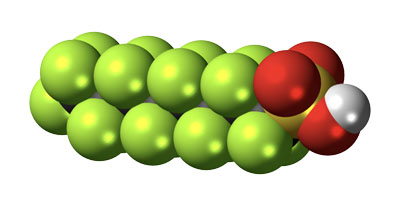
What are PFAS?
PFAS, or per- and polyfluoroalkyl substances, are also known as “forever chemicals” and are used in many products. The main advantage of these molecules is that they can be used to create non-stick products that repel water and grease. These molecules are found notably in the coatings of non-stick pans, in certain food packaging, and in textiles that have undergone special treatment (specialized materials such as firefighter equipment).
Why study the predictors of exposure to these molecules?
The interest of health research in these molecules stems from the fact that they are suspected of having endocrine-disrupting properties, meaning they are capable of interfering with the hormonal system. Some PFAS have been classified as definite or probable carcinogens by the WHO.
The SEPAGES data
Using PFAS measurements in the blood of SEPAGES mothers and questionnaires completed during pregnancy, and placentas collected after delivery, we sought to:
- characterize the possible sources of PFAS exposure. The sources studied included diet (meat, fish, seafood, eggs and liver), smoking (active as well as passive), as well as parameters such as age, the number of children prior to participation in the cohort, and educational level,
- study the effects of PFAS on the placenta, an organ essential for proper fetal development.
What we observed
We observed that:
- increased consumption of certain foods (e.g. fish, liver) was associated with higher concentrations of PFAS in the blood. This confirms previous findings showing that certain fish accumulate these environmental pollutants. Nevertheless, this result must be weighed against the health benefits of consuming certain types of fish.
- Age was also associated with an increase in blood PFAS concentration, which can be explained by the fact that these compounds accumulate in the body over time.
- The number of children prior to the SEPAGES pregnancy was in turn associated with a reduction in blood PFAS concentration. This may be explained, for women who breastfed, by the excretion of PFAS through breast milk.
- In addition, PFAS appeared to have a deleterious effect on placental health; the results suggest that exchanges of oxygen and nutrients between the mother and the fetus may be of lower quality, which may lead to fetal growth restriction and hypertensive disorders during pregnancy.
What can be done about PFAS ?
Our results show that diet as well as certain maternal characteristics (such as age or number of children) influence PFAS levels in the body. While these characteristics cannot be changed, dietary habits can be adapted. However, some foods, such as fish, also have health benefits. It is therefore important to follow recommendations for pregnant women. For more information on fish consumption guidelines, see the ANSES website:https://www.anses.fr/en/content/why-and-how-should-you-eat-fish
In addition, thanks to studies such as those conducted in SEPAGES, regulations are evolving. For example, in February 2025, a law was adopted in France banning the use of PFAS in cosmetics, clothing, footwear, and ski wax.
To go further: Jovanovic, N., Brantsæter, A. L., Lyon-Caen, S., Duval, B., Carras, S., Bédard, A., Ait-Hadad, W., de Lauzon-Guillain, B., Siroux, V., Bayat, S., Steffensen, I.-L., Slama, R., Haug, L. S., & Philippat, C. (2025). Levels and determinants of exposure to perfluoroalkyl substances in French pregnant women from the SEPAGES cohort. Environment International, 201, 109559.
Read the article
Sadia Khan, Marion Ouidir , Nicolas Lemaitre, Nicolas Jovanovic, Sam Bayat, Sarah Lyon-Caen, Pascale Hoffmann, Morgane Desseux, Cathrine Thomsen, A Couturier-Tarrade, Line Småstuen, Haug Séverine Valmary-Degano, Valérie Siroux, Rémy Slama, Nadia Alfaidy, Claire Philippat PFAS Exposure During Pregnancy: Implications for Placental Health And Functioning. Environment International
Read the article